July 24, 2026
Outdoor living spaces can make a yard feel like a natural continuation of the home rather than a separate area that is difficult to organize or use. Patios, garden beds, walkways, and seating areas become more inviting when each space has a clear purpose and connects visually with the rest of the property. Concrete curbing can help create that structure by defining boundaries, guiding movement, and giving landscaped areas a more finished appearance. With thoughtful placement and design, it can support a comfortable outdoor environment for relaxing, entertaining, and spending time with family.
The Benefits of Concrete Curbing in Outdoor Design
Creating a More Finished Outdoor Space
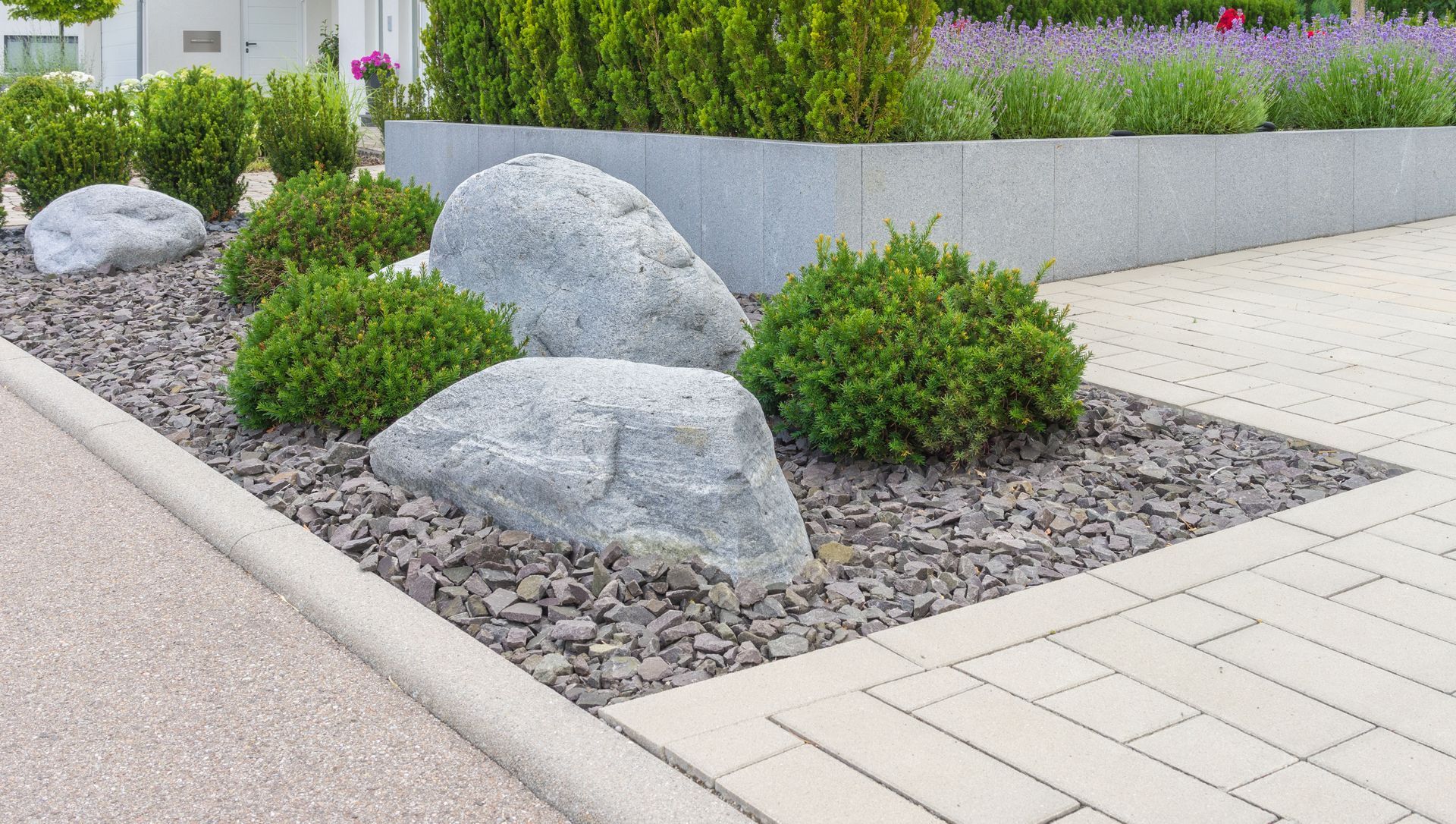
One of the most noticeable benefits of concrete curbing is the polished look it can bring to a landscape. Clean, defined edges separate lawns, flower beds, pathways, and gathering areas so the overall yard appears more intentional. Instead of allowing mulch, grass, and planting areas to blend together without clear boundaries, curbing creates visual order. This structure can make an outdoor space feel more complete and better connected to the style of the home.
Providing Strength for Outdoor Environments
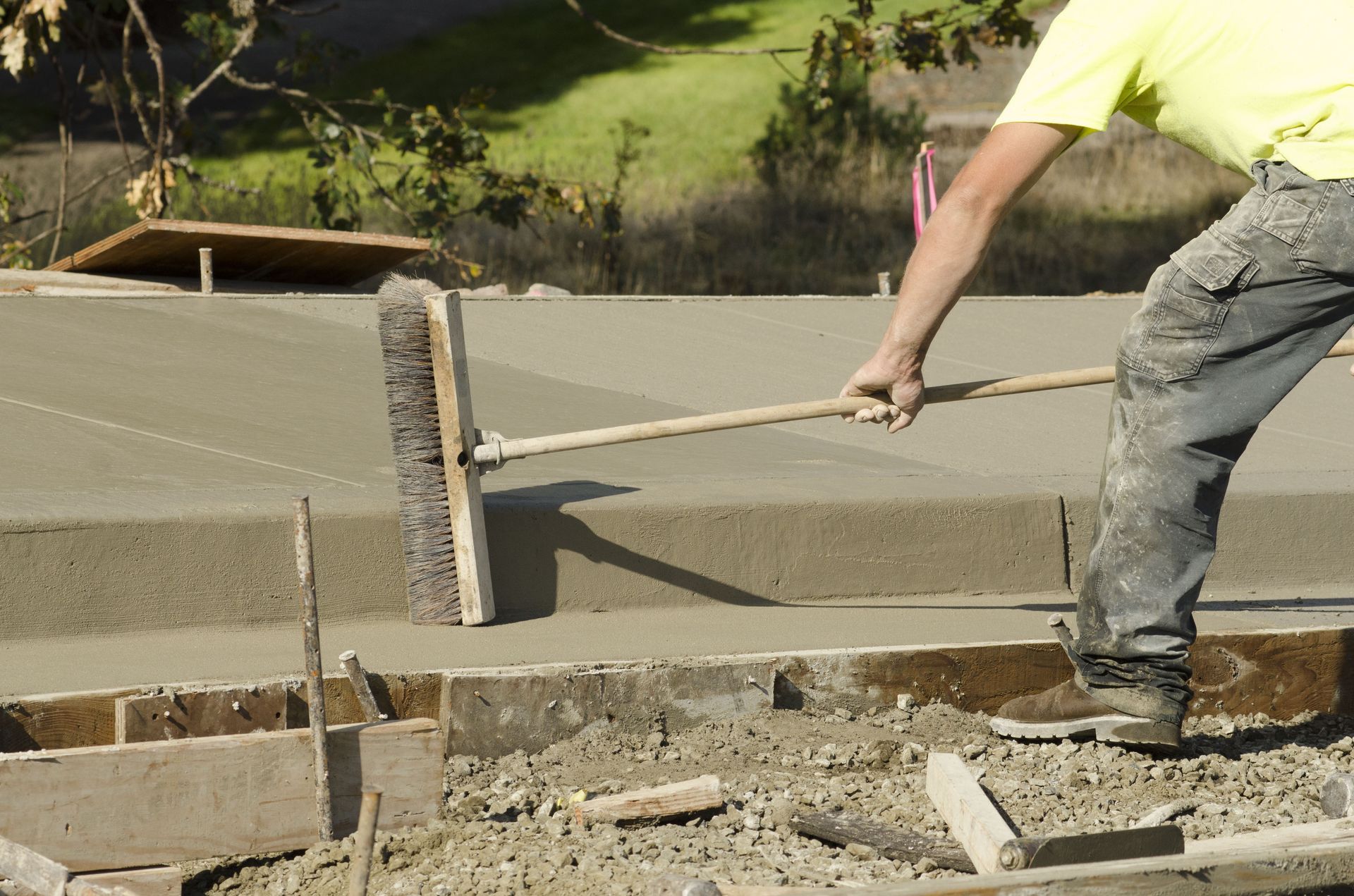
Outdoor materials are continually exposed to changing temperatures, rain, sunlight, and regular landscape activity. Concrete creates a solid, continuous border that can remain in place as the surrounding yard is used and maintained. According to the Aldoa, continuous extruded curbing can reach up to 75% of its total compressive strength within its first seven days. That early strength development helps explain why properly installed concrete curbing can become a dependable part of a long-term outdoor design.
Defining Outdoor Living Areas
Separating Gathering Spaces From the Lawn
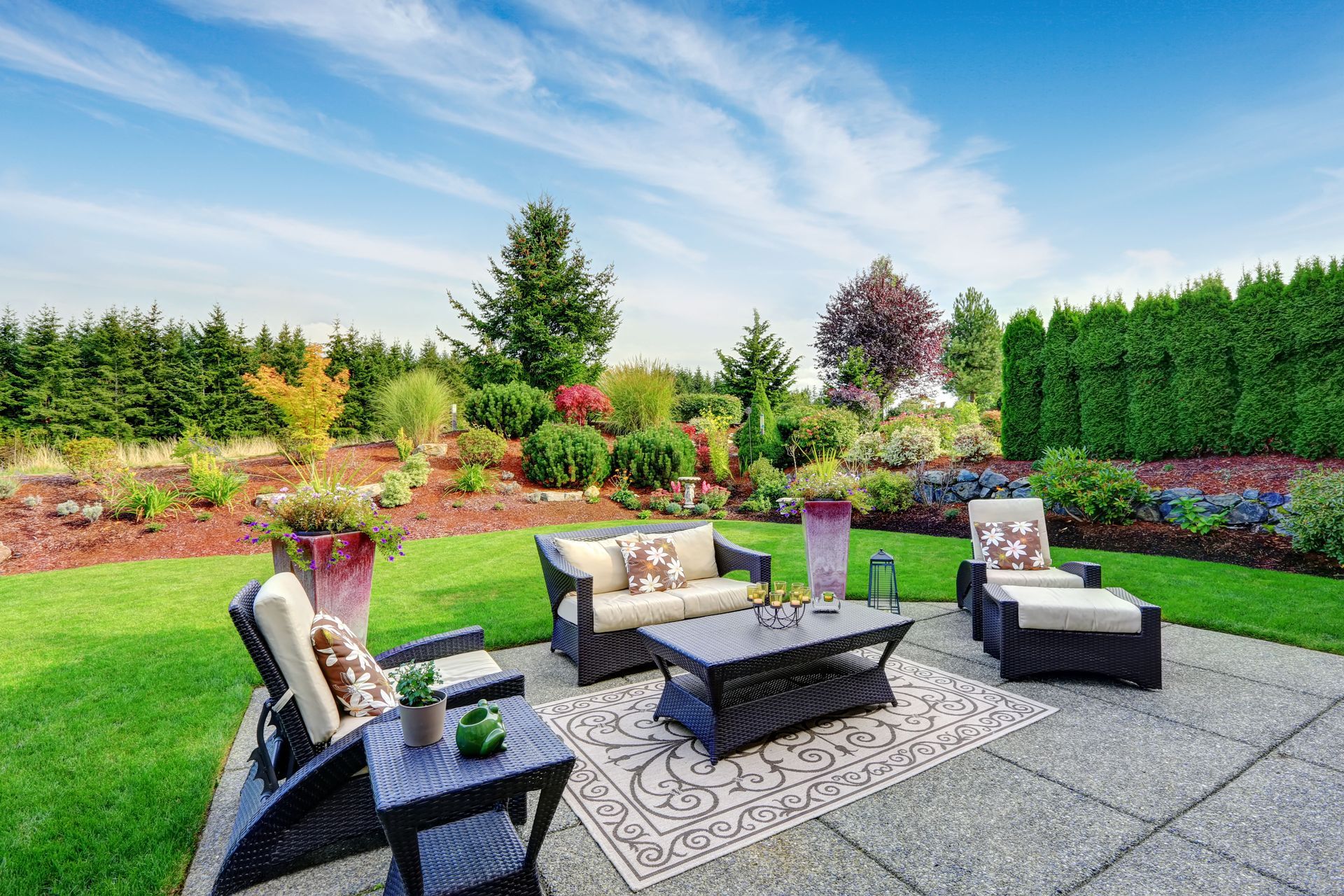
Outdoor seating and entertaining areas often feel more comfortable when their boundaries are easy to recognize. Concrete curbing can frame a patio, fire pit area, or informal seating zone and create a clear transition between the gathering space and the surrounding lawn or landscaping. This distinction makes the area feel planned and purposeful. It can also help visually anchor furniture, decorative planters, and other features within the broader yard.
Organizing Gardens and Planting Beds
Flower beds and landscaped planting areas contribute color, texture, and privacy to an outdoor living space, but they can lose visual impact when their edges become uneven. Concrete curbing provides a defined line between planted areas and the lawn, helping garden features stand out more clearly. A well-shaped border can draw attention to shrubs, flowers, and decorative plantings while supporting the overall flow of the landscape.
Guiding Movement Through the Yard
A comfortable outdoor living area should make it easy to move between the home, patio, garden, and other frequently used spaces. Concrete curbing can emphasize walkway edges and establish visual routes through the yard. Clear boundaries subtly guide foot traffic and make transitions between outdoor zones easier to understand. This can be particularly useful in larger yards with several separate features that might otherwise feel disconnected.
Connecting Important Landscape Features
Framing Patios and Seating Areas
Patios often serve as the central gathering point of an outdoor living space. Concrete curbing can help frame these areas and strengthen the transition from hardscape to lawn or planting beds. A defined border gives the patio a cleaner perimeter and can make surrounding landscaping feel like part of the same design. This connection is important when the goal is to make the backyard feel like an extension of the home's living area.
Highlighting Gardens, Water Features, and Lighting
Ponds, fountains, and prominent garden displays often function as focal points within a landscape. Concrete curbing can define the surrounding area and help these features stand apart without appearing disconnected from the rest of the yard. A curved border around a water feature, for example, can echo its shape and create a smoother transition into nearby plantings. Consistent borders can also tie decorative trees and larger flower displays to adjacent patios or walkways.
Outdoor lighting can further strengthen these connections and make gathering spaces more inviting after sunset. Lighting positioned near a clearly shaped curb can emphasize the layout of a path, garden, or seating area while drawing attention to important transitions. A softly illuminated curved border can add visual depth and reinforce the structure of the landscape. Coordinating lighting with curbing helps the outdoor area maintain its organized appearance during evening use.
Planning a Cohesive Concrete Curbing Design
Considering How the Yard Is Used
Effective outdoor design begins with understanding how people move through and spend time in the space. A household that regularly entertains may prioritize clear transitions between the home, patio, and gathering areas. A family that spends more time gardening may want stronger visual connections between pathways and planting beds. Concrete curbing should support these existing habits instead of creating borders that interrupt natural movement through the yard.
It is also useful to consider which outdoor areas currently feel disconnected or unfinished. An isolated patio may benefit from a curving border that links it visually to nearby gardens. A broad lawn with several features may need clearer paths and defined landscape zones. Identifying these gaps can help determine where curbing will have the greatest impact on the usability and appearance of the outdoor living space.
Choosing Shapes, Colors, and Finishes
The design of the curbing should complement both the home and the landscape. Color can blend with exterior materials or provide subtle contrast that emphasizes garden beds and pathways. Texture and decorative finishes can add character, but they should work with the broader style of the property. Repeating a consistent treatment is often more effective than using several unrelated finishes throughout the yard.
Shape is equally important. Straight borders can create a clean, formal appearance, while curves may feel softer and more relaxed. Many outdoor living spaces benefit from a combination of both, particularly when structured patios connect with organic planting areas. Repeating similar lines throughout the landscape creates visual rhythm and helps individual features feel like parts of a larger, coordinated design.
Balancing Function and Visual Appeal
Concrete curbing is most effective when it contributes to the practical use of the yard and improves its appearance at the same time. A border around a planting bed should define the area clearly, but its shape can also complement a nearby walkway. Curbing along a patio can establish a stronger perimeter while helping the gathering space relate to the lawn. Each placement should support the larger goal of making the outdoor environment feel organized and usable.
Thoughtful planning also prevents curbing from becoming visually excessive. Not every feature needs a prominent border, and too many divisions can make a yard feel smaller or overly segmented. Strategic placement around the most important living, walking, and planting areas creates structure without sacrificing openness. This balance allows concrete curbing to support the landscape while keeping attention on the outdoor experiences the space is meant to provide.
Creating a More Usable Outdoor Living Environment
Concrete curbing can do more than create tidy landscape edges. By defining patios, seating areas, gardens, and walkways, it helps establish the structure needed for a yard to function as a true living space. Clear transitions make it easier to understand how different areas connect, while coordinated shapes and finishes give the landscape a more unified appearance. These details can make time spent outside feel more comfortable, purposeful, and closely connected to life inside the home.
Extending living space into the outdoors is ultimately about creating areas that support everyday routines, relaxation, and social activity. Concrete curbing offers a durable way to organize those spaces while strengthening the visual relationship between the home and the landscape. When thoughtfully incorporated into the overall design, it can help transform separate yard features into a cohesive outdoor environment built for greater enjoyment.