June 5, 2026
Landscaping projects require a delicate balance of aesthetic appeal, structural integrity, and functional boundaries to truly transform any outdoor area into a beautiful haven. Homeowners and commercial property managers frequently seek permanent solutions that can easily withstand harsh environmental stressors while providing clean, sharp lines around gardens, lawns, and walkways. Among the various landscaping choices available today, custom concrete curbing stands out as an incredibly resilient, versatile, and highly adaptable option for properties of all sizes. This comprehensive guide explores the essential aspects of this paving technique to help you optimize your next major outdoor improvement project.
1. Understand the Foundational Basics
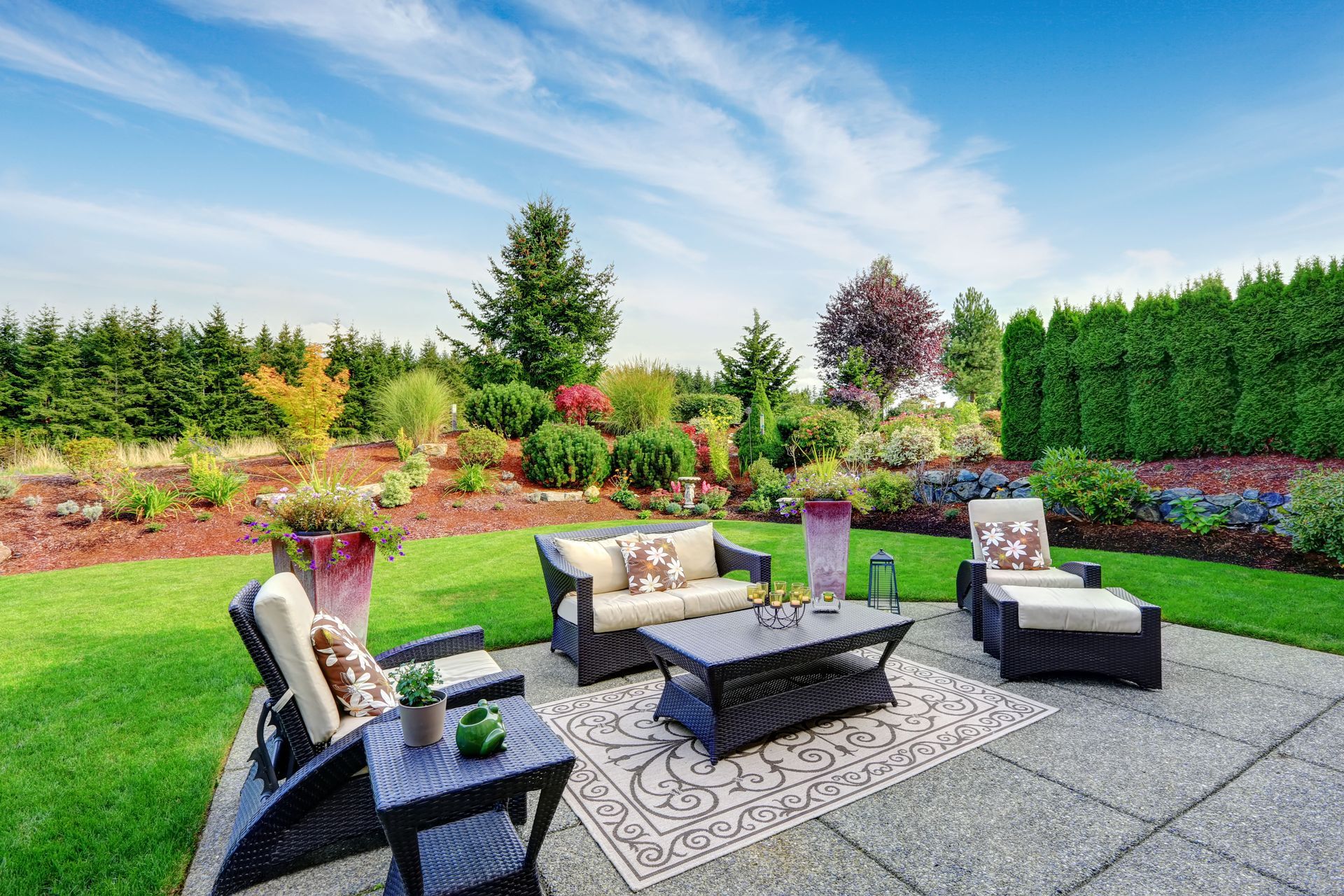
Establishing defined landscape borders is essential for preventing soil erosion, maintaining clear property lines, and protecting delicate garden beds from invasive turfgrass. Implementing professional concrete curbing serves multiple purposes across residential lawns, commercial parking lots, and long driveways, ensuring that diverse landscaping elements remain neatly contained. Property owners can choose standard commercial styles or select unique, customized variations that incorporate rich colors, decorative stains, and stamped patterns designed to complement the existing architectural themes of their surrounding residential homes or commercial buildings.
The primary material utilized in this process is premium cement mixed with specialized aggregates and reinforcing fibers to ensure maximum long-term durability. Unlike traditional alternatives like plastic, wood, or metal, which readily warp, rot, or rust over time, solid cement barriers resist shifting caused by thermal expansion and ground movement. To achieve proper stability, professional standards require substantial dimensions; according to Lawn Love, a proper concrete border needs to maintain a minimum width and depth of 3.5 inches, ensuring the structure effectively highlights garden zones and safely guides pedestrian traffic.
2. Realize the Primary Benefits
One of the most compelling reasons to choose concrete curbing is its incredible resistance to wear and environmental damage. The robust composition of the materials ensures that the borders can easily withstand intense weather shifts, heavy rain, freezing temperatures, and accidental impacts from heavy lawnmowers. Beyond this pure utility, incredible design flexibility allows for extensive personalization through stamped textures and vibrant stains, allowing property owners to replicate the premium look of natural brick, slate, or cobblestone to instantly elevate exterior curb appeal.
Beyond boosting visual appeal, these permanent structures require virtually no ongoing maintenance or tedious upkeep after initial installation. Traditional landscape edging frequently dislodges or degrades, but a continuous solid border remains locked in place, requiring only occasional washing and resealing to preserve its pristine look. This longevity minimizes costly replacements, providing significant financial savings over time for property managers. Adopting this sustainable approach minimizes waste and aligns with modern eco-friendly building practices by using local materials that protect precious topsoil from washing away.
3. Review the Installation Process
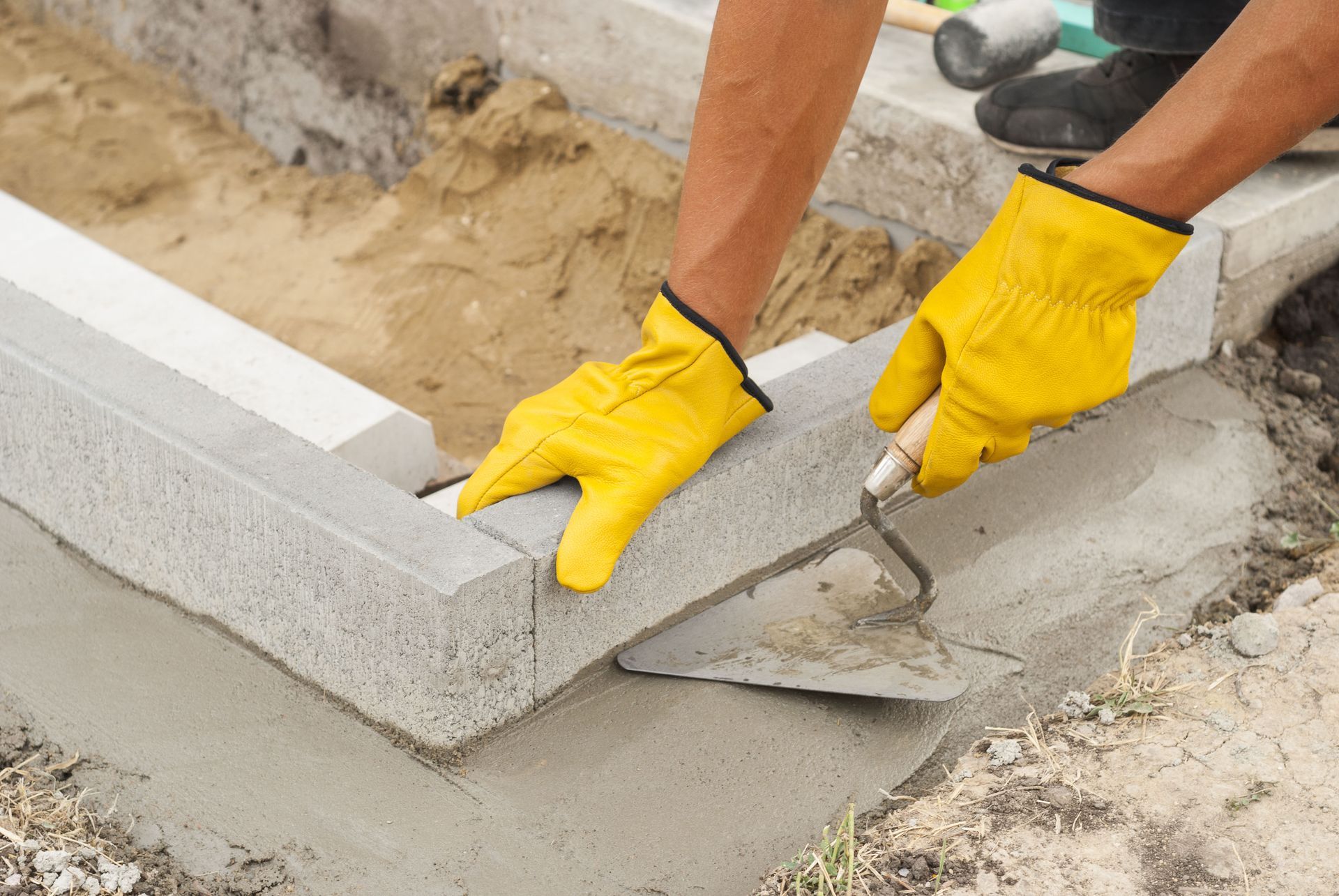
Executing a flawless installation begins with comprehensive ground preparation, where technicians clear debris, remove existing turf, and level the soil along the planned pathway. This meticulous groundwork prevents future shifting, tilting, or uneven settling, establishing a flat foundation for the heavy material. Before pouring concrete curbing, technicians carefully outline the specific layout, measuring custom curves and straight runs to complement the architectural flow of the estate. Achieving the correct material consistency is vital, as a precise blend of water, aggregates, and cement binders eliminates structural air pockets.
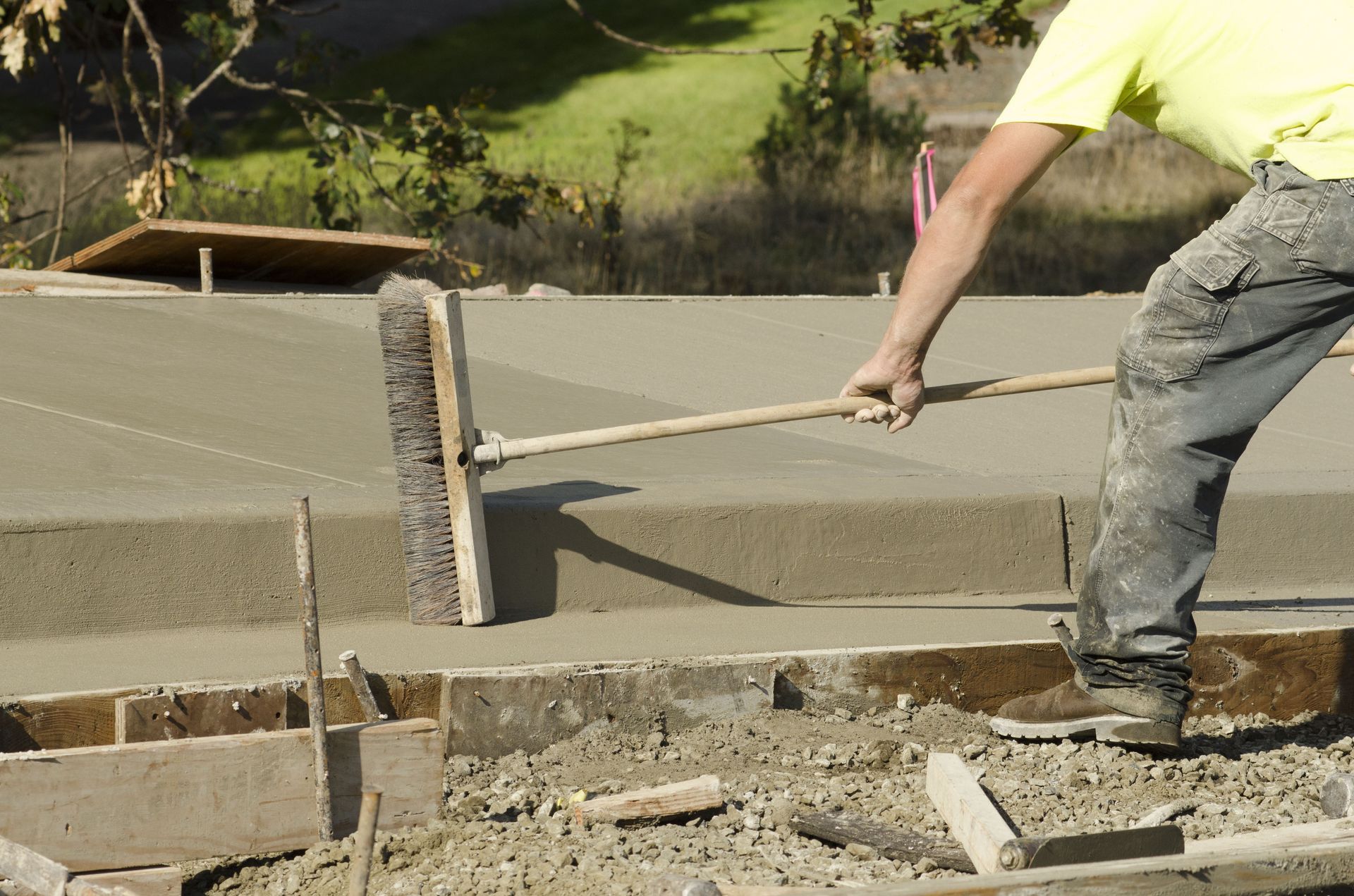
Once the material is extruded, skilled artisans apply precise finishing techniques to smooth the surface, introduce custom textures, and carve clean expansion joints. These intentional joints are critical because they control natural cracking caused by ground shifting and temperature fluctuations, ensuring the border remains visually flawless. The structure must then undergo a thorough curing process, during which moisture levels are carefully balanced to maximize hardness. Allowing the material to set for an adequate period ensures that the borders achieve peak resilience for many decades.
4. Explore the Common Applications
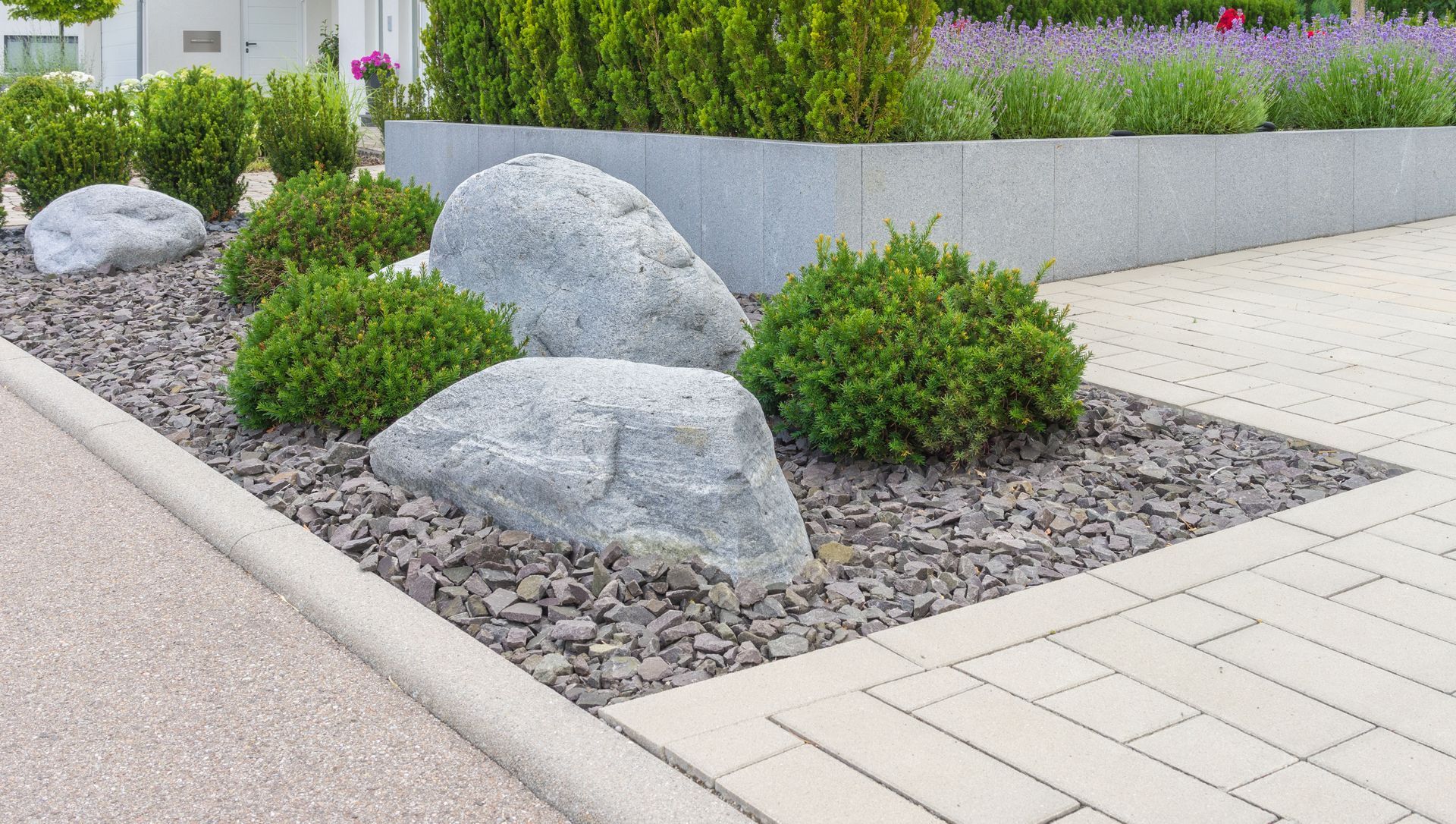
Major applications of concrete curbing include separating manicured turfgrass from delicate flower beds, mulch zones, and decorative rock gardens. This clear separation prevents aggressive grass roots from invading garden spaces, which drastically reduces the amount of time homeowners spend weeding and edging lawns. In commercial and public environments, these sturdy borders organize expansive parking lots, direct pedestrian foot traffic along designated walkways, and protect expensive landscaping. Municipalities also rely on these heavy borders for urban infrastructure to manage stormwater runoff and protect road shoulders from erosion.
Parks and recreational centers integrate these versatile boundaries to outline playful zones, sports fields, and scenic walking paths, enhancing safety and overall public organization. The clean lines blend seamlessly with natural environments, providing structural definitions that hold up against heavy crowds and constant community use. Similarly, residential driveways and pathways gain an immediate boost in cleanliness, as the borders keep gravel or pavers locked tightly in place, proving that permanent borders remain a preferred standard across diverse construction sectors.
5. Consider the Potential Challenges
Every construction project involves specific challenges, and installing permanent landscape borders requires careful planning to handle local environmental and financial factors. Severe weather conditions, such as intense freeze-thaw cycles in northern climates or extreme summer heat, can place stress on solid structures, potentially causing surface spalling or fine hairline fractures. When budgeting for concrete curbing, owners must consider design complexity, project scale, and labor costs. While minor cracks can occasionally develop over time, choosing premium materials and implementing proper structural reinforcement will successfully mitigate these common issues.
Balancing visual desires with practical landscape mechanics represents another crucial consideration, as intricate ornamental designs must never interfere with proper yard drainage or water flow patterns. Working alongside an experienced professional ensures that your aesthetic vision aligns perfectly with long-term structural viability and yard functionality. Property owners must thoroughly research prospective contractors, checking past client reviews, portfolios, and credentials to guarantee high-quality workmanship. Investing time into selecting a skilled team guarantees a seamless installation process, resulting in a flawless product that beautifully elevates your exterior.
6. Discover the Latest Advancements
Modern construction technology has revolutionized the landscaping industry, introducing advanced computer-aided design software that allows technicians to map out highly complex, precise border layouts. Specialized automated machinery extrudes materials faster and more accurately than historical manual methods, reducing labor timelines while delivering perfectly uniform contours across expansive properties. Aesthetic choices have expanded dramatically with integrated pigments and heavy stamping mats that beautifully mimic natural stone. Environmental sustainability has also taken center stage, with forward-thinking manufacturers utilizing recycled aggregates and eco-friendly practices to minimize production footprints.
High-tech tools like laser-guided leveling devices and precise satellite positioning systems are now standard in the field, ensuring absolute accuracy during complex installations. These innovations minimize human error, optimize material usage, and allow project managers to track real-time structural progress on commercial job sites. Contemporary design trends favor clean, minimalist lines that match modern architectural styles, with some upscale projects embedding automated lighting directly into the borders, proving that technological convergence continues to elevate the utility of exterior landscaping.
Investing in high-quality outdoor borders brings long-term durability, visual harmony, and exceptional financial value to any residential estate or commercial property. By fully understanding the necessary installation steps, exploring modern design customization options, and proactively addressing potential climate challenges, property owners can easily achieve stunning, low-maintenance landscapes that last for generations. Contact us at Edge It Curbing today to transform your property with custom concrete curbing and bring your unique outdoor vision to life.