April 21, 2026
Landscape edging defines boundaries between lawns, gardens, pathways, and other outdoor elements while dramatically affecting overall property appearance and curb appeal. Many homeowners underestimate how edging choices influence visual impact, selecting materials based solely on cost without considering aesthetic contributions. Understanding how different edging types affect landscape appearance helps you make selections that enhance rather than detract from outdoor spaces. The difference between properties that look professionally designed and those appearing haphazard often comes down to thoughtful edging choices. Learning what design professionals consider when selecting edging empowers you to create cohesive, attractive outdoor spaces through strategic material selection.
Creating Clean Definition Between Spaces
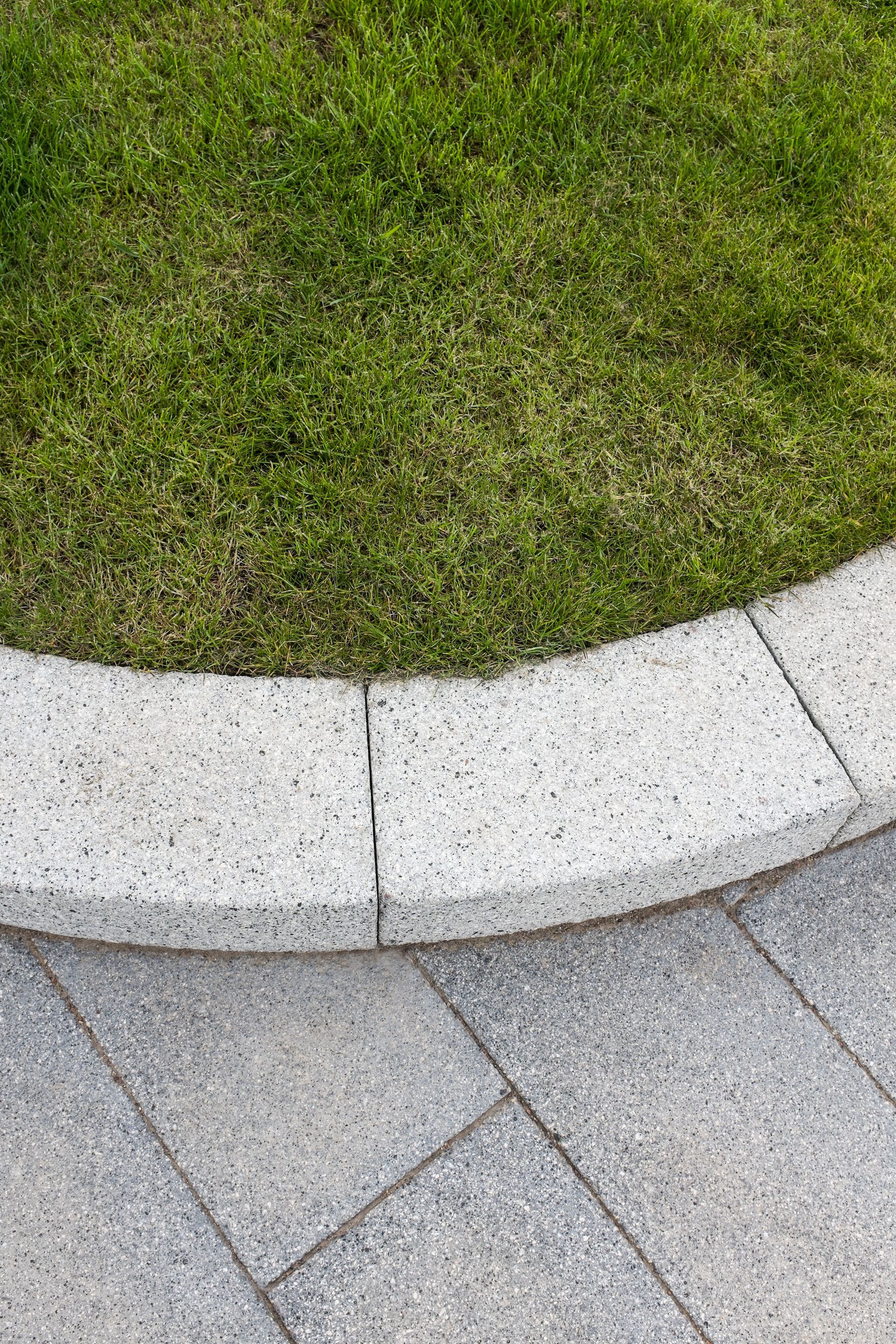
According to Lawn Love, concrete edging should be at least 3.5 inches wide and deep for proper installation and effectiveness. Clear boundaries between lawns, beds, and hardscapes create visual organization, helping eyes understand spatial relationships and landscape structure throughout properties. These defined edges prevent the blurred boundaries that make landscapes appear unkempt despite proper plant care and lawn maintenance efforts. The visual clarity that edging provides proves essential for professional appearance, as crisp lines communicate intentional design rather than accidental arrangements. Professional landscape edging creates sharp definition separating different landscape elements, providing structure that organizes outdoor spaces visually and functionally throughout properties. Well-installed edging maintains distinct boundaries preventing grass encroachment into beds, mulch migration onto lawns, and the blurred transitions that undermine appearances. The definition it provides transforms landscapes from chaotic to organized, creating the visual clarity that professional design requires for cohesive results.
Establishing Proportional Visual Weight
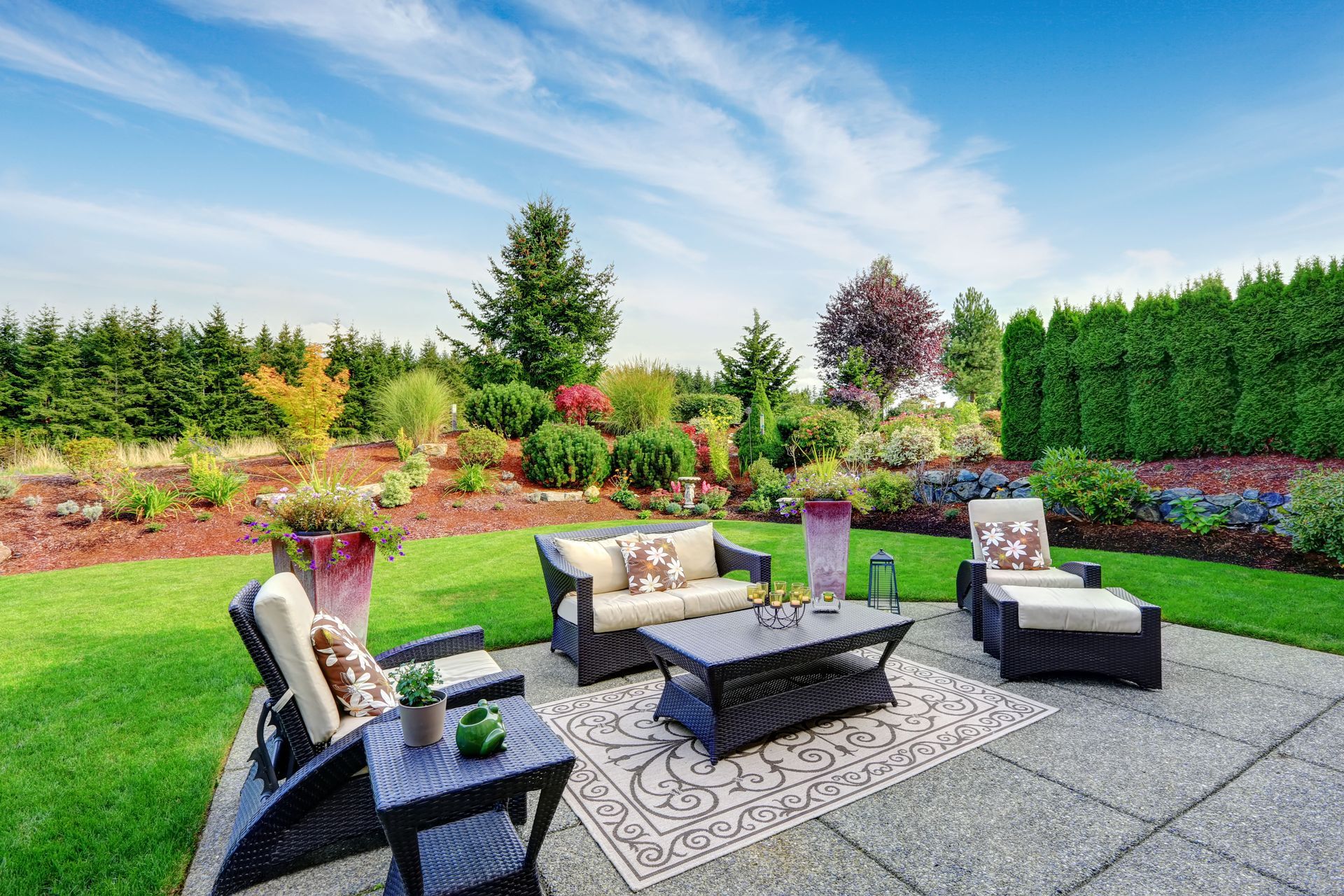
Edging materials vary in visual weight from delicate metal strips to substantial stone borders, with selections affecting how landscapes balance visually. Heavy edging materials can overwhelm small spaces while lightweight options may disappear visually in expansive landscapes requiring more substantial definition. The proportional relationship between edging and surrounding elements proves critical for visual success, as mismatched scales create awkward appearances. Appropriately scaled edging complements rather than dominates plantings and hardscapes, creating balanced compositions where all elements contribute proportionally to overall aesthetics. Designers select edging weight matching landscape scale, using substantial materials for large properties while reserving delicate options for intimate spaces. The proportional sensitivity they demonstrate ensures edging enhances rather than overwhelms spaces through the visual weight that different materials inherently possess.
Complementing Architectural Styles
Home architecture should inform edging selections, with materials and styles that complement rather than conflict with building design creating cohesive properties. Traditional homes benefit from classic edging materials while contemporary architecture pairs well with modern options creating unified aesthetic visions throughout properties. The architectural coordination that thoughtful selections provide connects landscapes to homes, creating integrated designs rather than disconnected outdoor and indoor aesthetics. Architecturally appropriate landscape edging uses materials, colors, and styles that harmonize with home design, creating visual continuity throughout entire properties effectively. Curved concrete edging complements Mediterranean styles, while clean metal strips suit modern architecture, demonstrating how material choices should reflect architectural contexts. The architectural awareness that material selection requires prevents the visual discord that occurs when edging styles clash with home design.
Enhancing Color Coordination
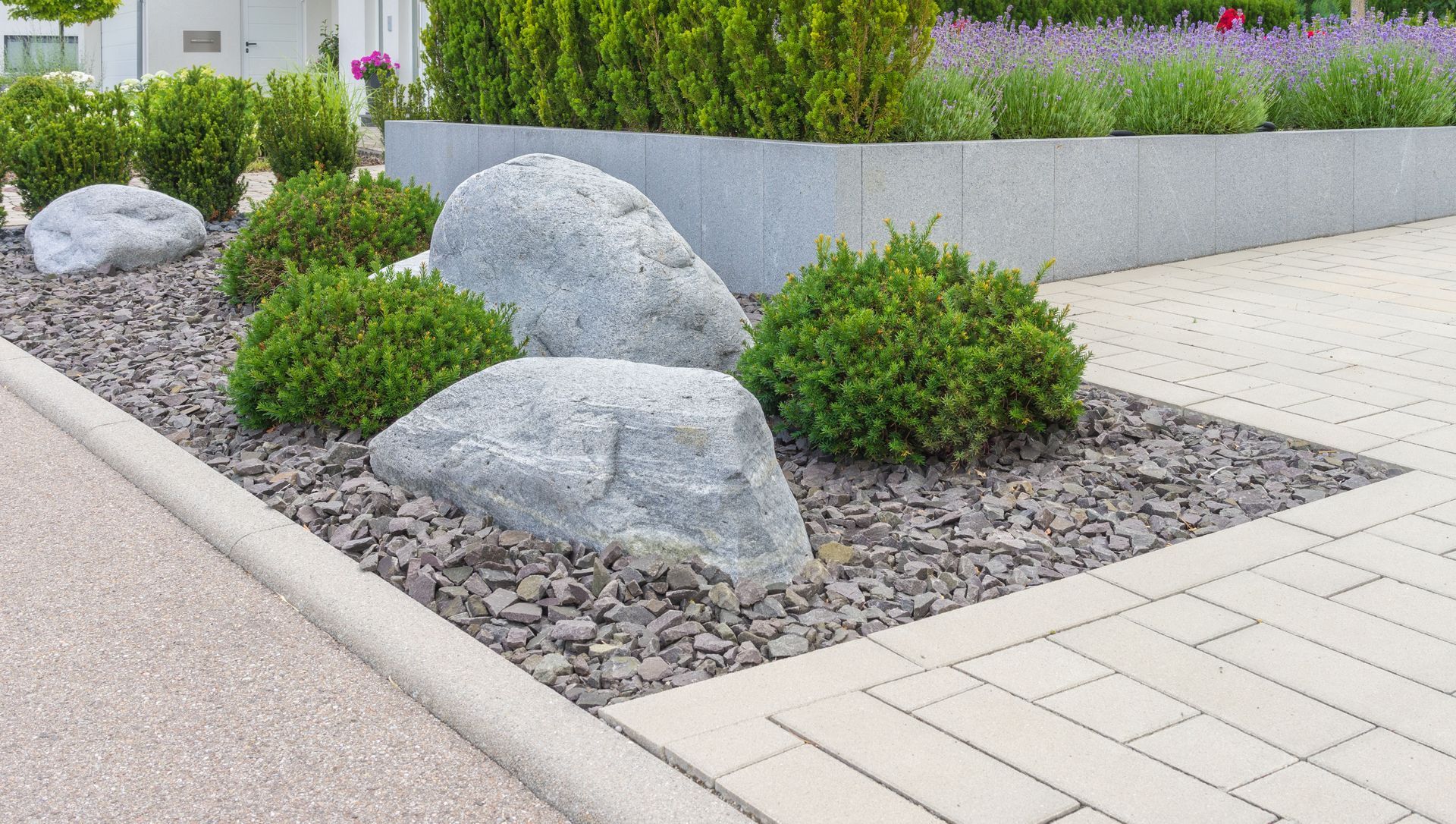
Edging color affects how it integrates with or contrasts against surrounding elements including mulch, plants, hardscapes, and lawn grass throughout landscapes. Subtle color matching creates seamless integration while contrasting colors provide dramatic definition, with appropriate choices depending on desired visual effects. The color decisions that edging involves prove as important as material selection, affecting whether borders blend harmoniously or create visual disruption. Thoughtfully colored landscape edging coordinates with existing landscape palettes, either blending subtly or providing intentional contrast that enhances rather than disrupts compositions. Natural stone colors complement earth-toned mulches while colored concrete can match home trim or hardscape elements creating coordinated color schemes throughout properties. The color coordination they achieve ensures edging contributes to unified aesthetics rather than introducing jarring color conflicts throughout outdoor spaces.
Adding Texture and Visual Interest
Different edging materials provide varying textures from smooth concrete to rough stone, contributing tactile and visual variety to landscape compositions. These textural variations create interest, preventing monotony while adding depth to designs through the visual complexity that texture provides. The textural contribution that edging makes proves particularly important in minimalist landscapes where limited plant variety demands material interest for visual appeal. Texturally diverse edging introduces surface variation creating visual interest through the physical characteristics that different materials inherently possess throughout installations. Stamped concrete mimics natural stone texture while smooth metal provides sleek contemporary character, demonstrating the textural range available through different material choices. The textural consideration they incorporate prevents flat, uninteresting landscapes through the dimensional variety that material texture contributes to overall compositions.
Creating Rhythm and Visual Flow
Consistent edging throughout properties creates visual rhythm, leading eyes through landscapes while establishing cohesive design language connecting different outdoor areas. This rhythmic repetition unifies spaces, making large properties feel intentionally designed rather than randomly assembled through the consistency that repetition provides. The visual flow that continuous edging establishes guides movement through landscapes, creating the organized progression that successful outdoor design requires. Continuous landscape edging establishes visual rhythm through consistent materials and installation, creating a unified appearance connecting different landscape zones throughout the entire property. The linear quality that edging provides naturally directs attention, creating movement through landscapes while connecting disparate areas through consistent design treatment. The rhythm they establish through repetition creates cohesive designs where individual elements contribute to unified wholes rather than existing as isolated features.
Providing Practical Maintenance Benefits
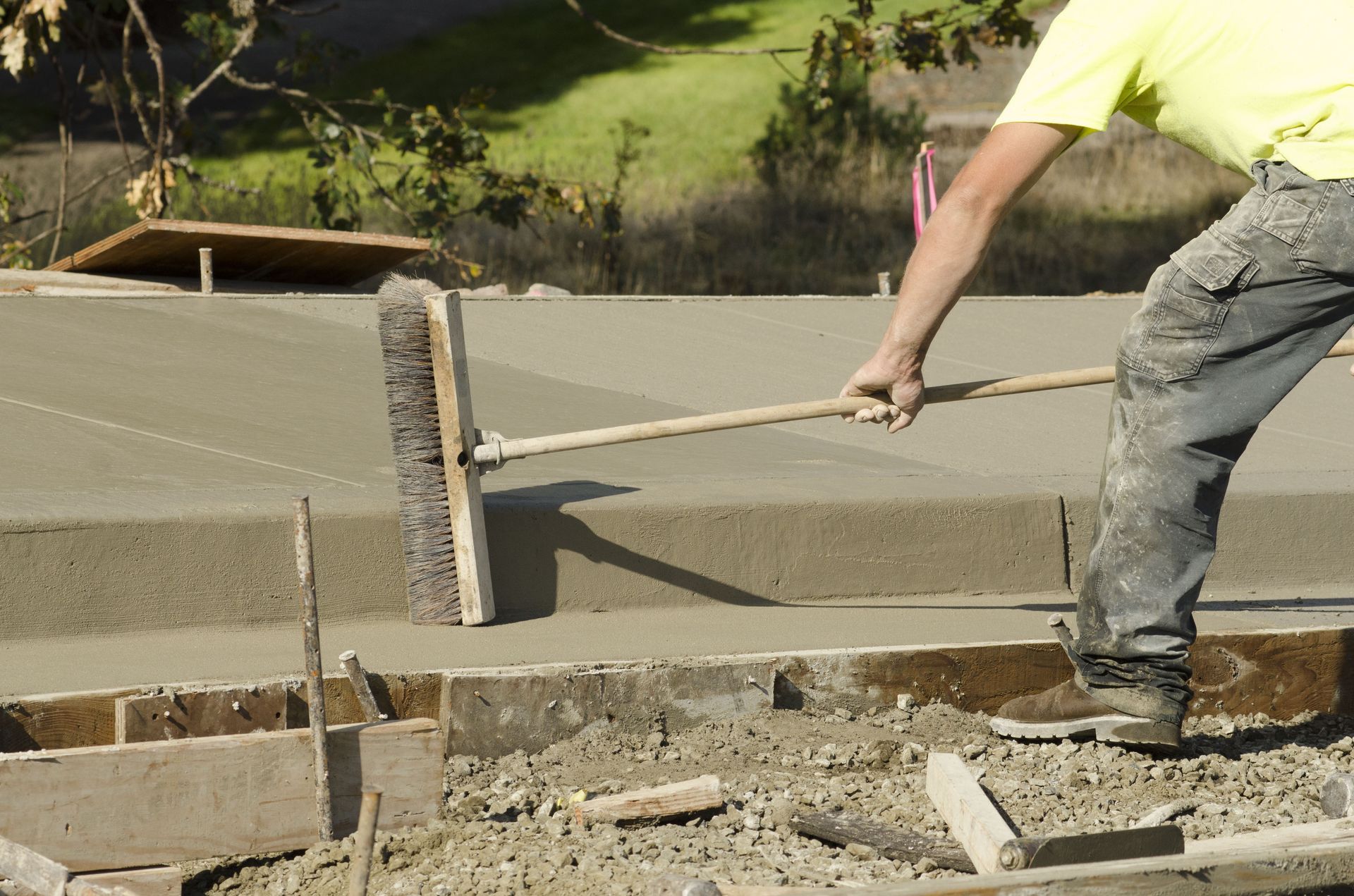
Beyond aesthetics, effective edging reduces maintenance by containing mulch, preventing grass spread, and creating mowing strips that simplify lawn care. These functional benefits contribute to neat appearances by preventing the mixing and migration that creates unkempt looks despite regular care. The maintenance reduction that proper edging provides helps landscapes maintain their designed appearance with less ongoing effort throughout growing seasons. Functional landscape edging simplifies maintenance while enhancing appearance, containing materials where intended, and creating crisp lines that mowing equipment follows easily throughout lawns. Permanent installations eliminate the constant re-edging that temporary solutions require, maintaining definition season after season without the recurring labor that alternatives demand. The maintenance benefits they provide contribute to lasting visual appeal through the boundary control that prevents deterioration of designed compositions.
Increasing Property Value and Curb Appeal
Quality edging elevates perceived property value by demonstrating attention to detail and professional landscape care that buyers recognize and appreciate. This curb appeal enhancement makes homes more attractive to potential buyers while increasing enjoyment for current owners throughout property ownership. The value contribution that edging provides exceeds its modest cost through the disproportionate visual impact it creates in overall property presentation. Professional landscape edging installation signals quality throughout properties, contributing to the positive first impressions that significantly affect property values and buyer perceptions. Well-maintained borders suggest overall property care, creating assumptions about home maintenance that extend beyond just visible landscape elements throughout evaluations. The value enhancement they provide justifies investment through the substantial visual and market impact that quality edging delivers throughout ownership.
Understanding how edging choices affect landscape appearance helps homeowners recognize the significant visual impact that this often-overlooked element provides. The strategic approach that material and style selection requires delivers cohesive outdoor designs that enhance property value and personal enjoyment. Making informed edging decisions ensures your landscape receives the defining element that professional appearance requires throughout all seasons. Whether you need landscaping, concrete edging, edging and curbing, excavation, driveways, sidewalks, concrete patios, commercial curbing, decorative and stamped concrete, or overlays, Edge It Curbing completes projects within one day, offers veteran and senior discounts, and guarantees satisfaction. For more information, contact us today!